
The best rowing machine for home gyms is a quiet, foldable magnetic rower because it balances smooth resistance, apartment friendly noise levels, compact storage, and low maintenance. Air rowers reward performance focused training, water rowers feel more natural, and hydraulic rowers suit the tightest budgets and spaces.
This guide compares resistance types, noise, rail length, folded dimensions, weight capacity, and warranty so you can match a rower to your own room. It also covers technique, sample workouts, and how to pair a rower with strength equipment.
Quick Answer: The best rowing machine for most home gyms is a quiet, foldable magnetic rower because it keeps noise low, stores upright, and needs little maintenance. Choose an air rower for interval performance, a water rower for a more natural stroke feel, and a hydraulic rower only when space and budget are the hard limits.
Key Takeaways
- Best overall for most home gyms: A magnetic rowing machine is usually the safest choice for quiet workouts, simple resistance control, and compact storage.
- Best for athletes: An air rowing machine suits interval training better because resistance rises naturally as you pull harder.
- Best for realistic feel: A water rowing machine offers a smoother stroke feel, but it usually needs more space and more care.
- Best for small spaces: A foldable magnetic rower or a compact hydraulic rower is easier to store in apartments, bedrooms, and shared rooms.
- Best buying rule: Choose by noise, resistance type, rail length, folded size, weight capacity, warranty, and daily usability.
Why a Rowing Machine Works for Home Gyms
A rowing machine works for home gyms because every stroke trains the legs, glutes, core, back, shoulders, and arms while keeping impact low. That combination makes rowing a practical cardio option for rooms where running is not realistic.
Full Body Workout Equipment Benefits
Each stroke combines leg drive, core control, hip movement, and upper body pulling, so one machine covers more muscle groups than most single focus cardio options. Surface electromyography data from indoor rowing supports this coordinated, multi muscle pattern.[3]
- Leg drive: The stroke begins with the legs, so the quads and glutes contribute much of the early power.
- Core control: The trunk transfers force between the lower body and the handle without collapsing posture.
- Back and arm pull: The upper back, lats, shoulders, and arms finish the stroke after the legs create momentum.
- Low impact rhythm: The seated motion reduces impact, although you still need good posture and controlled technique.
Why Rowing Is Practical for Home Use
Rowing removes the need for running space, good weather, or a large machine footprint, and a foldable model can stand beside a rack or bench in a garage gym.
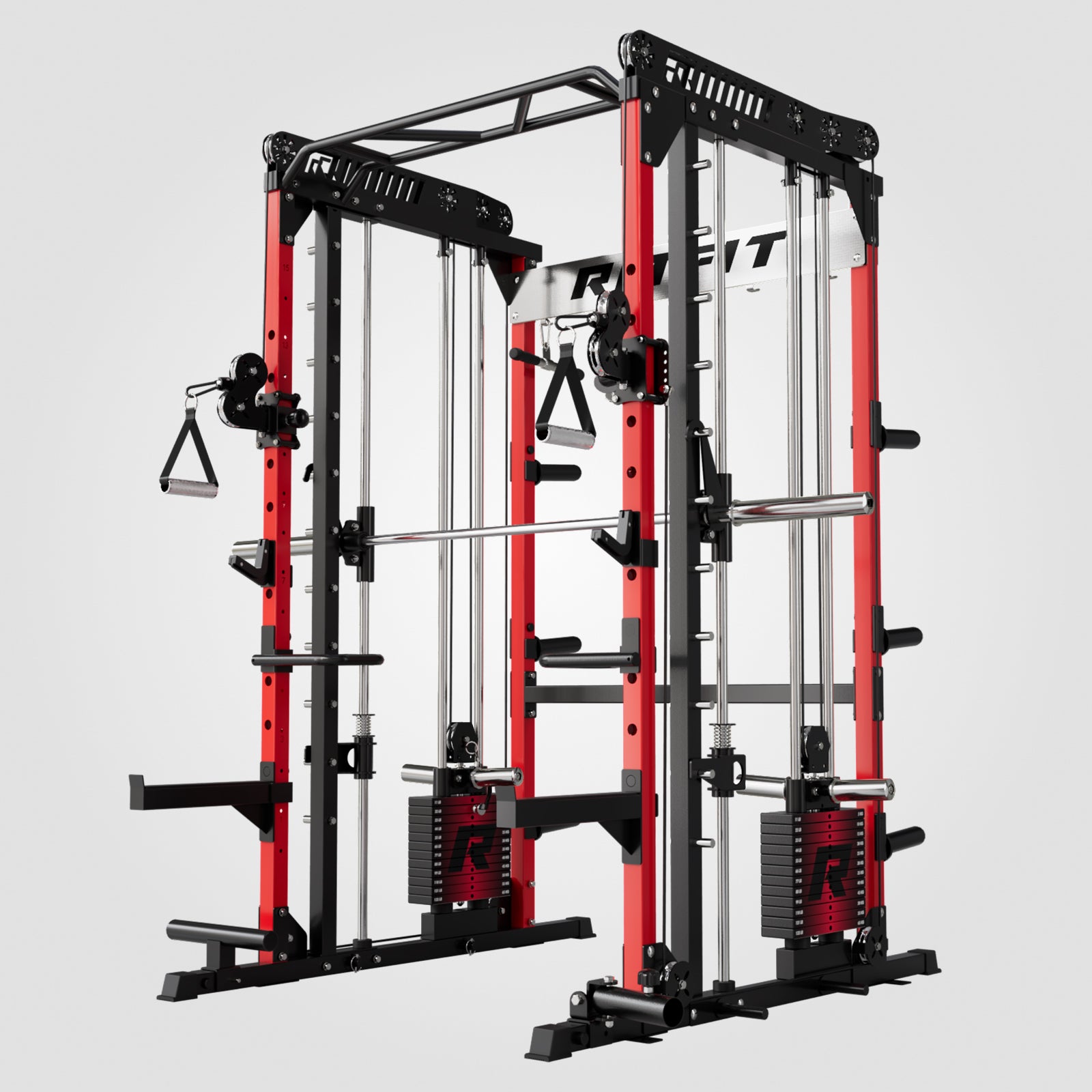
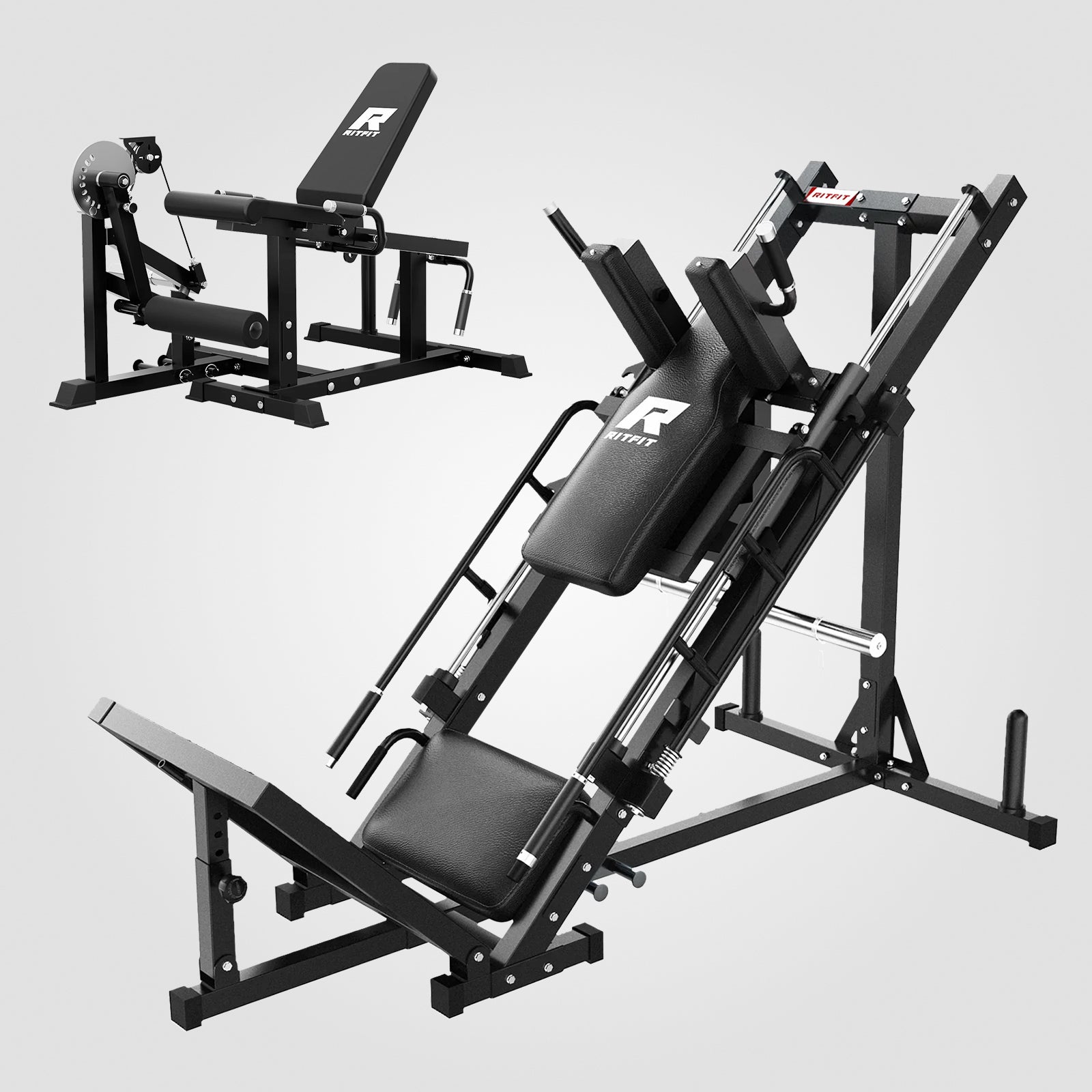
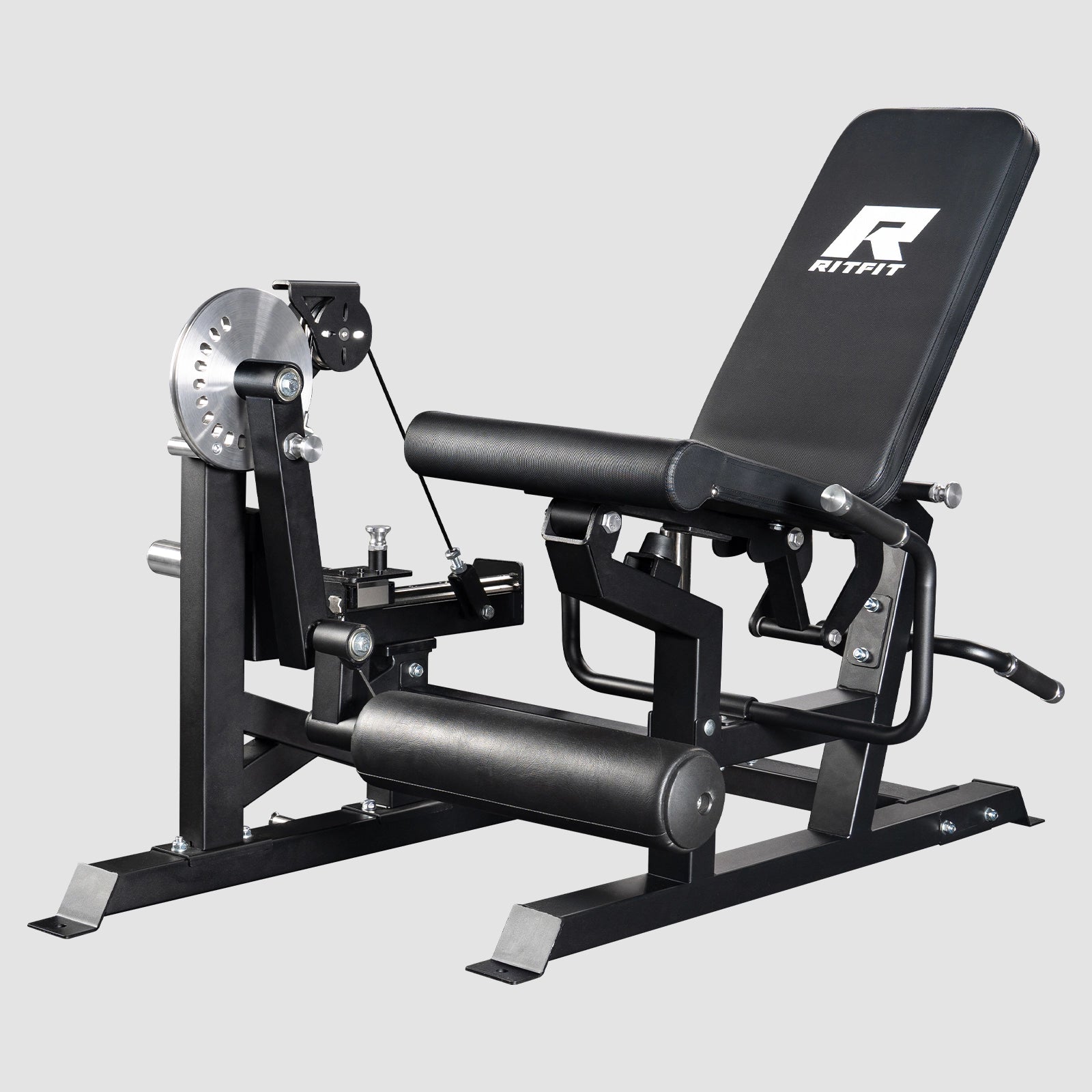
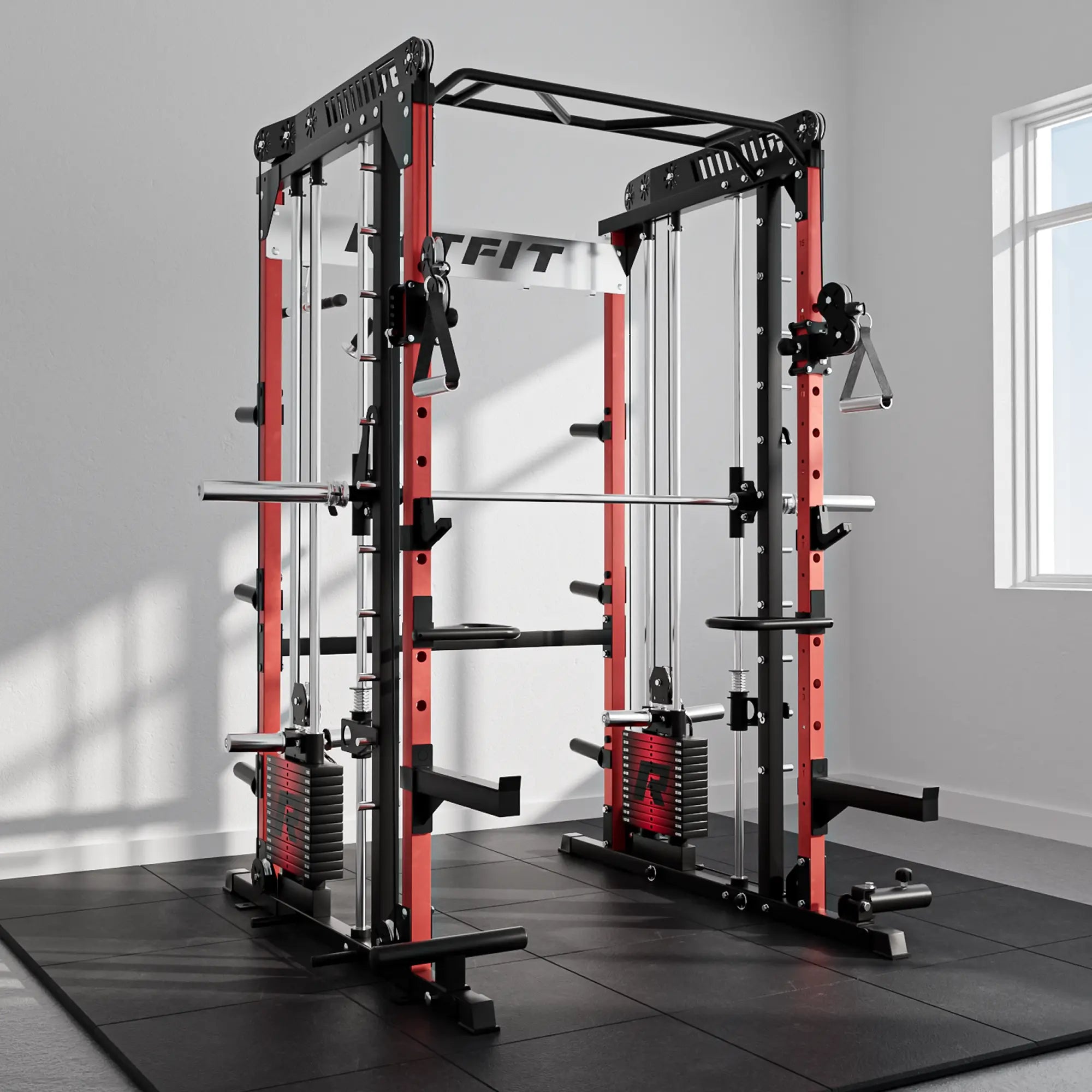
A rowing machine anchors your cardio setup, but a balanced home gym also needs strength equipment for progressive overload. If you are planning a complete room, read the home gym guide first, then pair cardio with strength machines for home gyms, adjustable weight benches, and home gym dumbbells.
Types of Rowing Machines
The main rowing machine types are magnetic, air, water, and hydraulic, and each resistance system changes noise level, stroke feel, maintenance needs, and storage. Matching the type to your room matters more than chasing a single best label.
Magnetic Rowing Machines
A magnetic rowing machine suits home users who want quiet workouts and simple resistance control, because magnets near the flywheel create smooth resistance and many models allow digital resistance changes.
Air Rowing Machines
An air rower suits users who want responsive resistance that increases as they pull harder, which makes it useful for intervals, endurance work, and performance based training.
Water Rowing Machines
A water rowing machine suits users who value a natural stroke feel and a smoother pull sensation, but it usually takes more space than a compact magnetic rower and may need tank care over time.
Hydraulic Rowing Machines
A hydraulic rower suits small spaces and lower budgets, yet it usually feels less natural than magnetic, air, or water resistance and works best for lighter cardio sessions.
Magnetic vs Air vs Water vs Hydraulic Rowers
The right resistance type depends on your home environment first and your training style second. Noise sensitive users should start with magnetic rowers, while performance driven users should compare air and water rowers.
| Rower Type | Best For | Noise Level | Stroke Feel | Main Drawback |
|---|---|---|---|---|
| Magnetic Rower | Apartments, beginners, quiet home gyms | Low | Smooth and controlled | May feel less dynamic than air resistance |
| Air Rower | Athletes, intervals, performance tracking | Moderate to high | Responsive and effort based | Fan noise can bother shared spaces |
| Water Rower | Natural rowing feel, steady cardio | Moderate | Fluid and realistic | More space and water tank care |
| Hydraulic Rower | Low budgets and very small spaces | Low to moderate | Shorter and less natural | Limited resistance range and stroke quality |
Comparison based on the resistance system each rower type uses and how that system behaves in a home space.
How to Choose the Best Rowing Machine for Home
Choose a home rowing machine by matching it to your space, noise tolerance, body size, training goal, and storage needs. A good rower should be easy enough to use every day, not just impressive on a product page.
- Resistance type: Choose magnetic for quiet rooms, air for performance, water for a natural feel, and hydraulic for the smallest footprint.
- Noise level: Pick a magnetic rower if you train early, late, or near bedrooms.
- Rail length: Taller users should check rail length and stated inseam support before buying.
- Weight capacity: Treat the listed user weight capacity as one durability signal, then check frame design and warranty coverage.
- Folded dimensions: Measure both workout space and storage space, because a rower can be long when fully extended.
- Seat and footrests: A stable seat, smooth rail, adjustable footplates, and secure straps make daily sessions more comfortable.
- Console metrics: Look for time, distance, stroke rate, watts, calorie estimates, and interval modes if you want structured training.
- Warranty and support: A longer warranty and clear replacement part support protect the long term value of the machine.
Magnetic Rower Benefits for Home Gyms
Magnetic rowers are popular for home gyms because they are quiet, smooth, easy to control, and simple to maintain. They suit apartment users, shared homes, and anyone who wants cardio without fan noise.
- Quiet operation: Magnetic resistance is usually quieter than air resistance, which makes it better for early morning or late night workouts.
- Easy progression: Adjustable resistance levels let beginners start light and add challenge over time.
- Low maintenance: Magnetic systems usually need less day to day care than water tanks or chain driven rowers.
- Compact storage: Many magnetic rowers fold or stand upright, which helps in apartments and small home gyms.
Best Rowing Machine by User Type
The best rowing machine changes with your space, experience, and training goal, so match the rower type to the home gym situation instead of buying the loudest or heaviest option available.
Best Rowing Machine for Apartments
A magnetic rowing machine usually suits apartments best because it keeps noise lower and is often easier to store, and a floor mat further reduces vibration on wood, vinyl, or tile.
Best Rowing Machine for Beginners
A beginner should choose a stable magnetic rower with simple controls, smooth resistance, and clear workout metrics, because consistent technique matters more than hard intervals at the start.
Best Rowing Machine for Athletes
An air rower usually suits athletes best because resistance rises naturally with effort, and rowing interval training supports that different interval formats create meaningful differences in physiological workload.[2]
Best Rowing Machine for Weight Loss
The best rowing machine for weight loss is the one you can use consistently at a sustainable intensity. One preliminary indoor rowing study reported body composition changes in a specific visually impaired population, so treat that result as context rather than a universal weight loss guarantee.[1]
If your goal is long term conditioning, the habits in this fitness journey from weight loss to marathoner are a useful reality check on pacing and patience.
Best Rowing Machine for Small Spaces
A foldable magnetic rower or a compact hydraulic rower suits limited floor space best, so check unfolded length, folded height, and transport wheels before buying.
How Much Space Do You Need for a Rowing Machine?
You need room for the full length of the machine, your body movement, and safe access on both sides. Measure the room before buying, especially if the rower will sit beside a rack, bench, or dumbbell station.
- Workout length: Leave clearance behind and in front of the rower so the seat and handle move freely.
- Side clearance: Keep enough room to step on, step off, and adjust foot straps without bumping nearby equipment.
- Storage space: If the machine folds, measure the folded footprint and confirm it does not block doors or walkways.
- Floor protection: Use a mat to reduce vibration, protect flooring, and improve stability during hard pieces.
If your cardio area shares space with free weights, organize the layout around movement zones rather than equipment alone. Practical pairing options include barbells and weight plates for home gyms, weight storage solutions, and home gym accessories, while this guide to small home gym equipment explains how to size the whole room.
How to Use a Rowing Machine Correctly
Proper rowing technique matters because most of the power should come from your legs, not your arms. Think legs first, core second, arms last, then reverse that order on the recovery.
- Step 1, Set the catch: Sit tall with knees bent, arms straight, shins close to vertical, and shoulders relaxed.
- Step 2, Drive with the legs: Push through your feet first while keeping the handle path smooth and your torso controlled.
- Step 3, Finish with the pull: Lean back slightly and pull the handle toward the lower ribs after the legs have extended.
- Step 4, Recover smoothly: Extend the arms, hinge the torso forward, then bend the knees to return to the catch.
- Step 5, Control the rhythm: Keep the recovery slower than the drive so the movement stays efficient and repeatable.
"Get the fundamentals right first before you learn too many bad habits.
It's your legs that need to be doing all the hard work so make sure you focus on pushing with them.
The rest of your body will follow.
It might not feel natural at first but once you've got the technique right you'll be able to see improvements quite quickly."
Graham Benton, GB Rowing Team athlete, British Rowing, Top tips for indoor rowing from GB athletes
Common Rowing Machine Mistakes
Most rowing mistakes come from rushing the stroke or pulling with the arms before the legs finish. Fixing those errors improves comfort, power, and workout consistency.
- Pulling with the arms first: Start each stroke with leg drive so the bigger muscles create the main force.
- Rounding the back: Keep the spine tall and brace lightly through the core during the drive.
- Rushing the recovery: Move back to the catch with control instead of sliding forward too fast.
- Over gripping the handle: Use a relaxed grip to reduce forearm fatigue and shoulder tension.
- Setting resistance too high: Use a level that lets you hold clean technique for the full session.
Rowing Machine Workouts for Home Gyms
Rowing workouts work best when intensity matches your fitness level and your goal. Interval training has been studied as a structured tool in healthy young adults, but beginners should build technique and base endurance first.[4]
Beginner Steady Row
Row for 10 to 20 minutes at a pace where you can still breathe steadily, keeping the resistance moderate and the stroke timing smooth.
Interval Rowing Workout
Alternate 30 seconds of hard rowing with 60 to 90 seconds of easy rowing for 8 to 12 rounds, and stop when technique breaks down or your lower back feels strained.
Endurance Rowing Workout
Row for 25 to 45 minutes at a controlled pace to build aerobic capacity, which works best when stroke rate stays consistent and posture stays tall.
Strength and Cardio Pairing
Use rowing before or after strength training depending on your priority for the day, because the order you choose decides whether cardio supports or competes with your lifting.
For a balanced home gym, pair rowing with best selling home gym equipment and a plan for the whole room, and this guide to building a home gym shows how cardio and strength zones fit together.
If you are still assembling the room, the essential home gym equipment for beginners list keeps cardio and strength purchases in the right order.
Rowing Machine vs Other Cardio Machines for Home
A rowing machine wins when you want cardio that also involves the upper body and core. Treadmills, bikes, and ellipticals can still be better choices for sport specific goals or personal comfort preferences.
Rowing Machine vs Treadmill
A rowing machine is lower impact than running and uses more upper body pulling than a treadmill, while a treadmill remains better if your main goal is running performance. These treadmill exercise benefits show what a running based cardio plan adds.
Rowing Machine vs Exercise Bike
A rowing machine involves more upper body and trunk movement than a bike, while an exercise bike may be easier for users who want simple low impact cardio with less technique demand.
Rowing Machine vs Elliptical
A rowing machine uses a seated pulling pattern that trains leg drive and back engagement directly, while an elliptical may feel easier for users who prefer standing cardio and a simpler rhythm.
If low impact work is the priority, these low impact home cardio exercises pair well with a rower, and this comparison of a home gym against a gym membership explains when a home cardio setup pays off.
Maintenance and Setup Tips
A rowing machine lasts longer when you keep the rail clean, protect the floor, and check moving parts regularly. Maintenance needs vary by resistance type, so follow the manufacturer manual for your specific rower.
- After each workout: Wipe sweat from the seat, handle, rail, and console to reduce corrosion and buildup.
- Weekly: Check foot straps, seat rollers, rail smoothness, and frame stability.
- Monthly: Tighten visible bolts, clean dust from moving areas, and inspect the handle strap or chain if your model has one.
- For water rowers: Follow the brand guidance for water treatment and tank care.
- For shared gyms: Keep a towel, floor mat, and cleaning spray nearby so the machine stays ready for daily use.
Final Buying Checklist
Run this checklist before buying a rowing machine for your home gym. It prevents the most common mistakes, including buying a rower that is too loud, too long, or uncomfortable for daily use.
- Measure your room: Confirm both the workout footprint and the storage footprint.
- Choose resistance type: Match magnetic, air, water, or hydraulic resistance to your space and goal.
- Check user fit: Review rail length, inseam support, seat comfort, and weight capacity.
- Confirm noise level: Choose magnetic resistance if you need the quietest home option.
- Review the console: Make sure it tracks the metrics you will actually use.
- Plan the full gym: Add strength equipment when your goal includes muscle building, not just cardio.
Budget planning matters as much as specs, so compare the rower against your total setup cost with this home gym cost guide before you commit.
FAQs About Rowing Machines for Home Gyms
What is the best rowing machine for a home gym?
A magnetic rowing machine is the best choice for most home gyms. It offers quiet operation, smooth resistance, easier storage, and lower maintenance, making it practical for apartments, shared rooms, garage gyms, and beginners who want consistent cardio without excessive noise.
Is a magnetic rowing machine better for home use?
Yes. A magnetic rowing machine is often better for home use because it is quieter and easier to control than many air rowers. It is especially useful for early workouts, late workouts, apartments, and small spaces where noise and storage matter.
How much space do I need for a rowing machine at home?
You need enough space for the full rower length, safe entry, and smooth seat travel. Measure the unfolded length, folded storage size, and side clearance before buying, especially if your rowing machine will share space with weights, benches, or storage racks.
Can a rowing machine help with weight loss?
Yes. A rowing machine can support weight loss when it is combined with consistent training, appropriate intensity, and nutrition control. It uses several major muscle groups and can raise cardiovascular demand, but results depend on effort, workout frequency, diet, sleep, and recovery.
Which rowing machine is quietest for apartments?
A magnetic rowing machine is usually the quietest option for apartments. Air rowers create fan noise, water rowers create water movement sound, and hydraulic rowers vary by build quality, while magnetic resistance generally keeps workouts quieter and more neighbor friendly.
What muscles does a rowing machine work?
A rowing machine works the legs, glutes, core, back, shoulders, and arms. The legs start the drive, the core transfers force, and the upper body finishes the pull, which makes rowing more complete than many cardio machines focused mostly on the lower body.
Should beginners use a rowing machine every day?
No. Beginners should start with two to four rowing sessions per week and focus on clean technique first. Daily rowing can be too much if posture, recovery, and resistance control are not developed, especially for users with back, hip, knee, or shoulder sensitivity.
Does a rowing machine replace strength training?
No. A rowing machine supports cardio endurance and muscular conditioning, but it does not fully replace progressive strength training. For muscle growth, balanced home gyms should also include resistance tools such as dumbbells, benches, barbells, weight plates, or dedicated strength machines.
Conclusion
The best rowing machine for most home gyms is a magnetic rower if you want quiet cardio, simple storage, and low maintenance. Choose air for performance, water for a more natural stroke feel, and hydraulic only when compact size and budget matter most.
A rower works best when it fits your real space and supports training you will repeat every week. Measure the room, pick the resistance type, then pair rowing with strength equipment, and check the RitFit discount guide before you order.
Disclaimer
This article is for general fitness education only and is not medical advice. If you have back pain, joint pain, cardiovascular concerns, balance limitations, or are recovering from injury, consult a qualified healthcare professional or certified trainer before starting rowing workouts or high intensity exercise.
References
1. Shin KY, Choi EH, Lim JY, Cho AR, Lim YH. Effects of indoor rowing exercise on the body composition and the scoliosis of visually impaired people: a preliminary study. Ann Rehabil Med. 2015;39(4):592-598. doi:10.5535/arm.2015.39.4.592
2. Faelli E, Panascì M, Ferrando V, Codella R, Bisio A, Ruggeri P. High-intensity interval training for rowing: acute responses in national-level adolescent males. Int J Environ Res Public Health. 2022;19(13):8130. doi:10.3390/ijerph19138130
3. Grzejszczak T, Roksela A, Poświata A, Siemianowicz A, Kiełboń A, Mikulski M. Surface electromyography data analysis for evaluation of physical exercise habits between athletes and non-athletes during indoor rowing. Sensors. 2024;24(6):1964. doi:10.3390/s24061964
4. Brown EC, Hew-Butler T, Marks CRC, Butcher SJ, Choi MD. The impact of different high-intensity interval training protocols on body composition and physical fitness in healthy young adult females. BioResearch Open Access. 2018;7(1):177-185. doi:10.1089/biores.2018.0032